

What is an EPC rating and how can I improve it?
Your Energy Performance Certificate (EPC) is more than a legal requirement – it’s a window into how your home uses energy and how you can improve your EPC rating to reduce bills, increase comfort, and boost your property’s market value. This is especially important when installing an air source heat pump.
At Aspect, we specialise in renewable energy, insulation, and whole-home efficiency upgrades, so we know what improves an EPC rating and how to make improvements cost-effective. Our team has worked on energy efficiency and decarbonisation projects for homes and businesses across the UK.
Quick Summary
- Your Energy Performance Certificate (EPC) grades your home’s energy efficiency, which directly impacts your energy bills and overall property value.
- The most practical ways to improve your EPC rating include upgrading your loft or wall insulation, fixing draughts, and swapping to low-energy lighting.
- For major efficiency gains, replacing an old boiler with a heat pump or installing solar panels provides the best long-term results.
Understanding What an EPC Rating Really Means
An EPC rating grades your property from A to G, showing how energy-efficient it is and how much it costs to heat, light, and provide hot water. Most UK homes sit around a D, with many older homes sitting lower due to heat loss, single-glazed windows, or outdated heating systems. Official GOV.UK guidance confirms that targeted upgrades – from insulation to heating improvements – can significantly reduce energy bills and lower your carbon footprint.
The certificate gives you an energy efficiency rating, an estimated level of energy consumption, and a list of recommended energy efficiency improvements.
Your EPC directly affects:
- Energy and heating bills
- Energy performance
- Carbon emissions and your home’s carbon footprint
- Market value
If you take steps to improve EPC rating scores, it usually means lower energy bills and a more comfortable home. It’s also worth knowing that the UK government is reforming how EPCs are calculated from 2026, so acting sooner puts you ahead of those changes.
Why Improving Your EPC Rating Matters
A higher EPC rating is a powerful asset. It means:
- A more energy-efficient home, which is important when installing an air source heat pump
- Cheaper energy bills
- Reduced energy usage and energy waste
- A reduced carbon footprint
- Increased property value
Private landlords in England and Wales must meet a minimum EPC rating of C by 1 October 2030. New tenancies require this from 2026, with existing tenancies to comply by 2028. Full details on current and upcoming requirements are set out in the government’s landlord energy efficiency guidance.
Factors That Help You Improve EPC Rating Scores
Many elements influence your EPC score, but the biggest factors include:
- Quality of loft insulation
- Cavity wall insulation and solid wall insulation
- Efficiency of your heating system
- Type of hot water systems and hot water cylinder
- Presence of renewable energy sources
- Efficiency of windows, double glazing, or triple glazing
- Floor insulation
- Use of energy-efficient lighting
Understanding these factors helps you prioritise upgrades that deliver the biggest improvements.

Practical Ways to Improve Your EPC Rating
Upgrade Your Loft Insulation
One of the simplest and most effective ways to improve EPC rating performance is to install or top up insulation. Because heat rises, an uninsulated loft wastes a significant amount of energy.
This low-cost upgrade has a huge impact on overall comfort, energy performance, and heating bills.

Install Cavity Wall or Solid Wall Insulation
Wall insulation plays a major role in home energy efficiency.
Cavity wall insulation: Stops warm air from escaping, reduces energy waste, and makes homes noticeably warmer.
Solid wall insulation: A strong option for older homes without cavities, dramatically improving the property’s energy efficiency.
Both make excellent EPC improvements. Depending on your property type and scope of work, costs typically fall between £2,000 and £10,000.
Upgrade Windows and Doors
Homes with single-glazed windows struggle with heat loss, making double or triple glazing a powerful upgrade.
Even secondary glazing can enhance comfort, energy performance, and the overall EPC score.
It also works well for period or conservation properties.

Improve Floor Insulation
Floor insulation reduces draughts, stops heat escaping, and increases your energy efficiency rating. It’s especially effective for suspended timber floors found in many semi-detached houses.
Replace an Inefficient Boiler
An inefficient boiler rapidly drags down your property’s EPC rating. Replacing old boilers with modern heating systems improves fuel efficiency and lowers energy consumption.
Look for systems with weather compensation, lower flow temperatures, smart heating controls, and thermostatic radiator valves.
This combination maximises your EPC improvement.
Install a Heat Pump
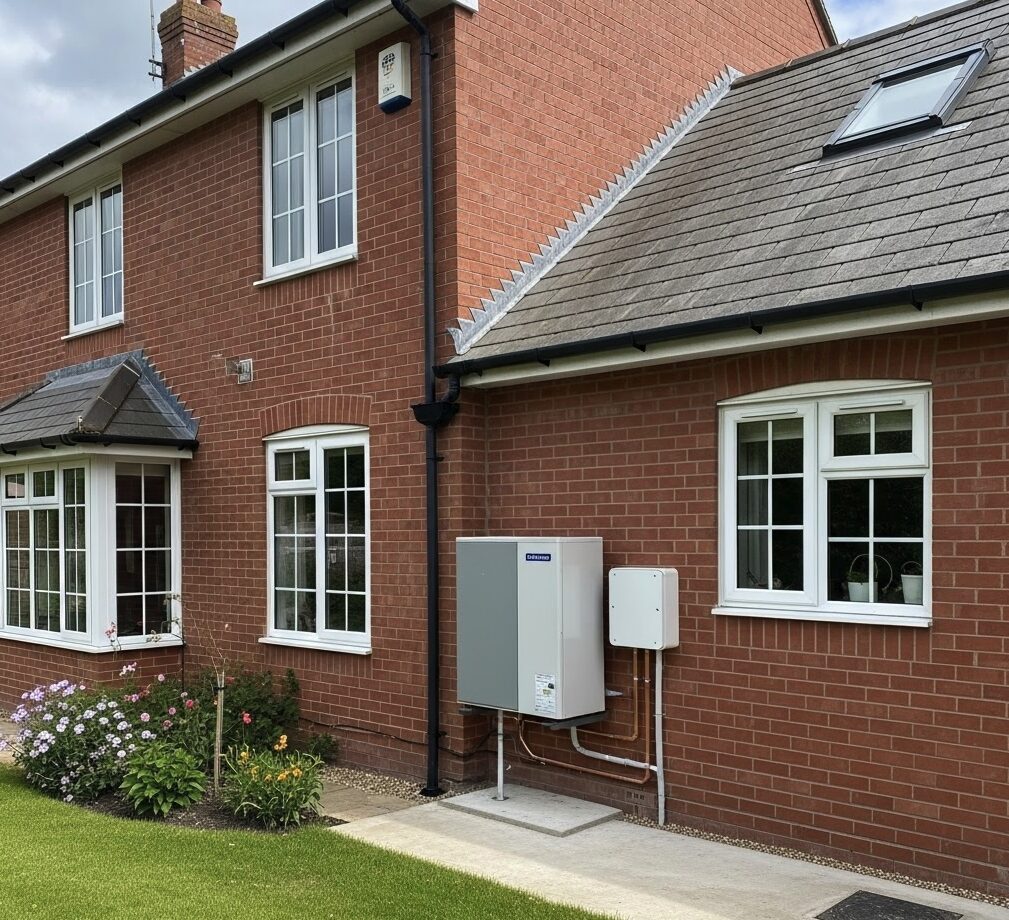
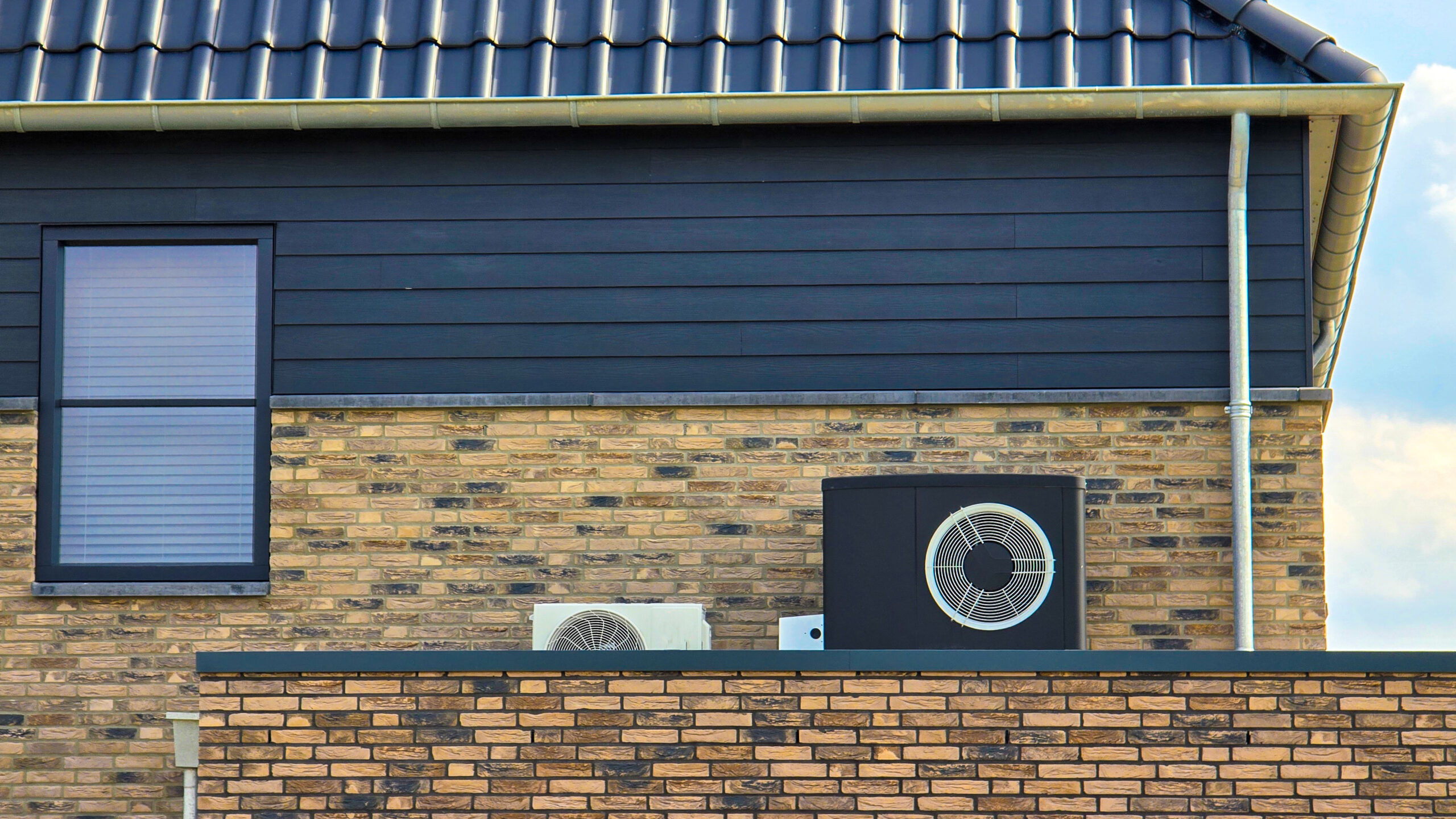
Installing a heat pump, such as an air-source or ground-source model, is one of the most effective ways to improve your EPC rating long-term.
Heat pumps are a highly energy-efficient way to heat your home and significantly reduce carbon emissions.
They pair perfectly with smart controls, underfloor heating, and low-temperature heating systems.
Add Renewable Energy Sources Like Solar Panels and Wind Turbines
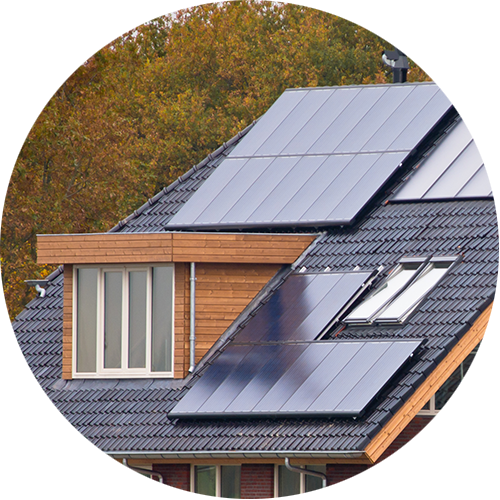
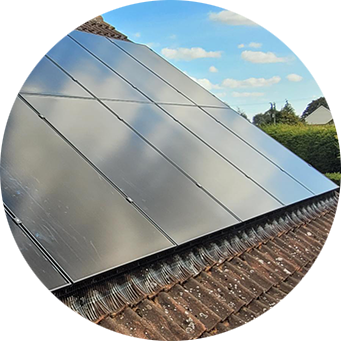
Installing solar panels instantly boosts your Energy Performance Certificate (EPC) rating because you generate more energy using renewable sources.
Solar PV converts sunlight into electricity, reducing grid demand and energy costs. It is one of the most effective ways to save energy, save money, and achieve a higher EPC rating.
Solar panels work well with battery storage, hot water cylinder immersion controls, electric systems like EV chargers, and smart tariffs such as Octopus Energy.
You can also use solar to heat water with a diverter, increasing your EPC score further.
Consider a Wind Turbine
Even small-scale wind turbines can generate renewable electricity for rural or exposed locations. They complement solar panels and stabilise your energy generation during winter.

Upgrade Lighting to Low Energy Options
Swapping old light bulbs for low-energy lighting or LED solutions is quick, cheap, and contributes to the EPC score.
It improves lighting efficiency and reduces overall electricity usage.

Add Smart Controls and Monitoring
A smart meter, thermostats, TRVs, and zoned heating give better control over how much energy you use and where.
This leads to reduced energy bills, lower energy usage, more accurate monitoring, and improved EPC performance.
Fix Draughts and Heat Loss Points
Small leaks can cause big inefficiencies. Draught-proofing helps prevent heat escaping, energy waste, and higher energy bills.
This quick fix supports other upgrades and enhances comfort immediately.
The Impact of Efforts to Improve EPC Rating Performance on Different Properties
Semi-Detached Houses
Typically benefit the most from:
- Cavity wall insulation
- Loft insulation
- Solar panels
- Modern heating systems
These homes often see rapid improvements in EPC and comfort. A typical 1970s semi-detached house starting at EPC D can often reach C through cavity wall insulation and a loft top-up – before any heating upgrades are added.
Older or Period Homes
Even if solid-walled, older homes can still achieve significant gains through:
- Solid wall insulation
- Secondary glazing
- Floor insulation
- Heat pump upgrades
With the right specialist approach, they can achieve excellent EPC improvements.
Rural and Off-Grid Homes
Off-gas properties benefit significantly from switching from oil or LPG to:
- Air-source or ground-source heat pumps
- Solar panels
- Battery storage
This slashes running costs and boosts EPC scores.

Is it Worth Investing to Improve EPC Rating Standards?
Absolutely. Many upgrades offer significant savings on utility bills. Although some require substantial investment, they deliver long-term returns through:
- Lower bills
- Better comfort
- Increased property value
- A cleaner environmental footprint
Most importantly, you create a home that is future-ready. Latest government analysis suggests that moving a typical home from EPC D to C – through measures like cavity wall insulation and a boiler upgrade – typically costs between £3,000 and £7,000.
Ready to Improve Your EPC Rating?
Improving your Energy Performance Certificate (EPC) is one of the smartest ways to future-proof your home, cut energy bills, and increase overall property comfort.
At Aspect Group Services Ltd, we specialise in renewable energy, heat pumps, solar panels, insulation, smart heating systems, and whole-home energy planning.
If you want to improve your EPC rating, reduce energy costs, and create a warmer, more efficient home, we’re here to help.
Contact Aspect Group Services Ltd today.
Book your home energy assessment and discover the most effective energy-efficient solutions for your property.
Get in touch now and start saving energy, money, and carbon while achieving a higher EPC rating.
Frequently Asked Questions
What is a good EPC rating?
A good rating is generally considered a C or higher, with efficiency scores of at least 69. The average UK property currently sits around a D rating, meaning most homeowners have genuine room to improve EPC rating performance and cut their bills.
What is the minimum EPC rating for landlords in 2026?
Under new rules starting in 2026, the minimum requirement for new private tenancies in England and Wales is set to jump to a C rating. Existing tenancies are expected to comply by 2028, making it crucial for landlords to plan energy-saving upgrades now.
How much does it cost to improve an EPC rating?
Costs depend heavily on what your house currently has and what it needs. While top-up insulation or basic draught-proofing is quite affordable, taking a home from an E to a C might cost between £3,000 and £7,000. You can explore a variety of methods on our EPC improvement guide to find the best upgrade path for your budget.
Do solar panels help improve my home’s EPC rating?
Yes, fitting solar panels is one of the fastest ways to jump up the EPC scale. A standard installation can add up to 15 points to your final certificate because you will be generating your own zero-carbon electricity rather than drawing from the grid.
How long does an Energy Performance Certificate last?
Your property’s EPC is valid for 10 years from the issue date. However, if you make major upgrades like installing a heat pump or adding solid wall insulation, you should get a new assessment right away to document your increased property value and efficiency.
Are there government grants available to help improve my EPC rating?
The UK government runs several financial support schemes to make essential upgrades more accessible. If you switch to an air source heat pump, you might qualify for the Boiler Upgrade Scheme. Low-income households can also apply for the Warm Homes Local Grant to assist with broader energy efficiency measures.