


How to Size a Commercial Heat Pump?
Choosing the right commercial heat pump is an important decision for any business looking to improve their energy efficiency, reduce operational costs, and lower carbon emissions. Whether you’re upgrading an existing heating system or installing a new one, understanding how to size a commercial heat pump correctly is essential for optimal performance and cost-effectiveness.
How does an Air Source Heat Pump Work?
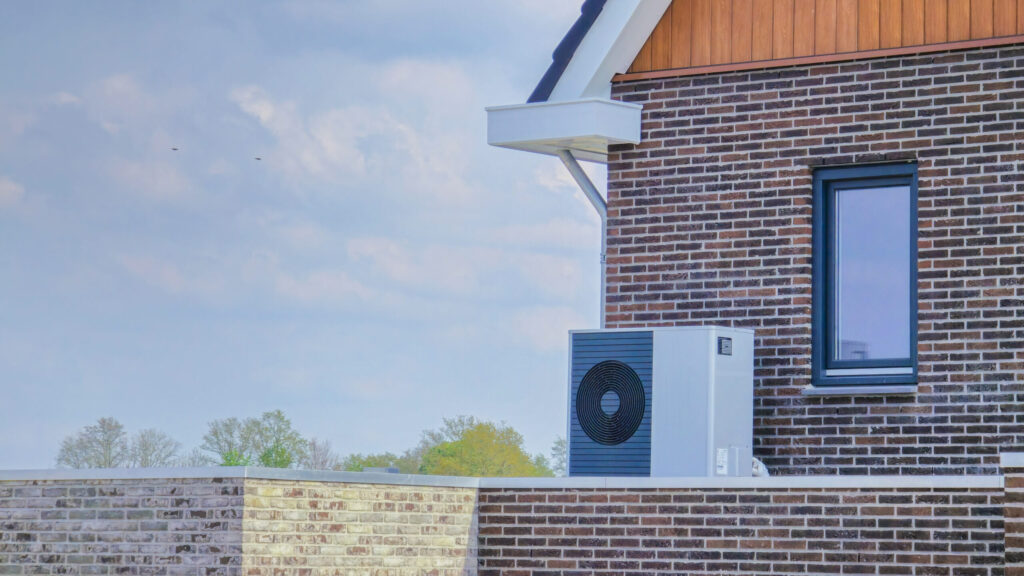
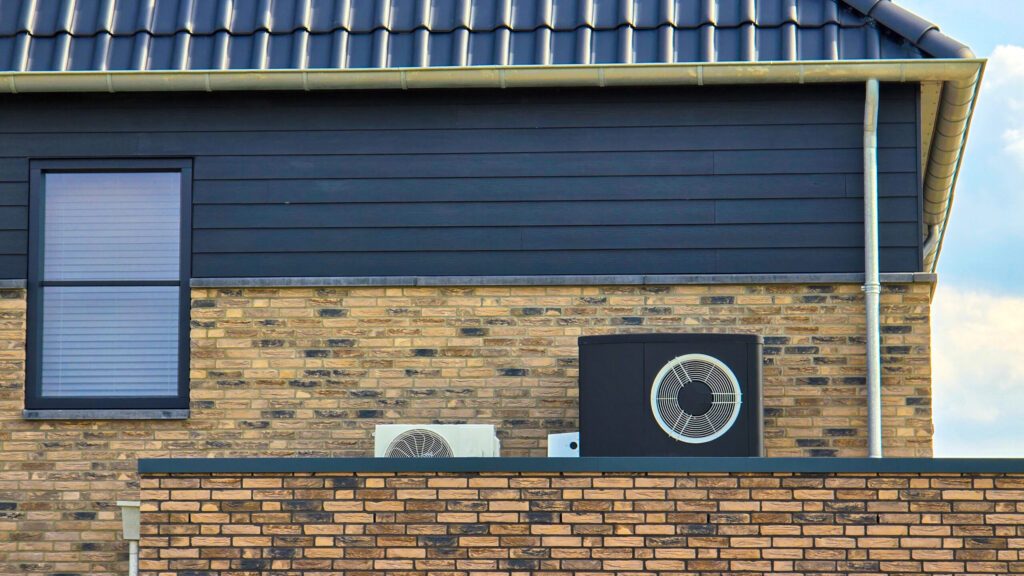
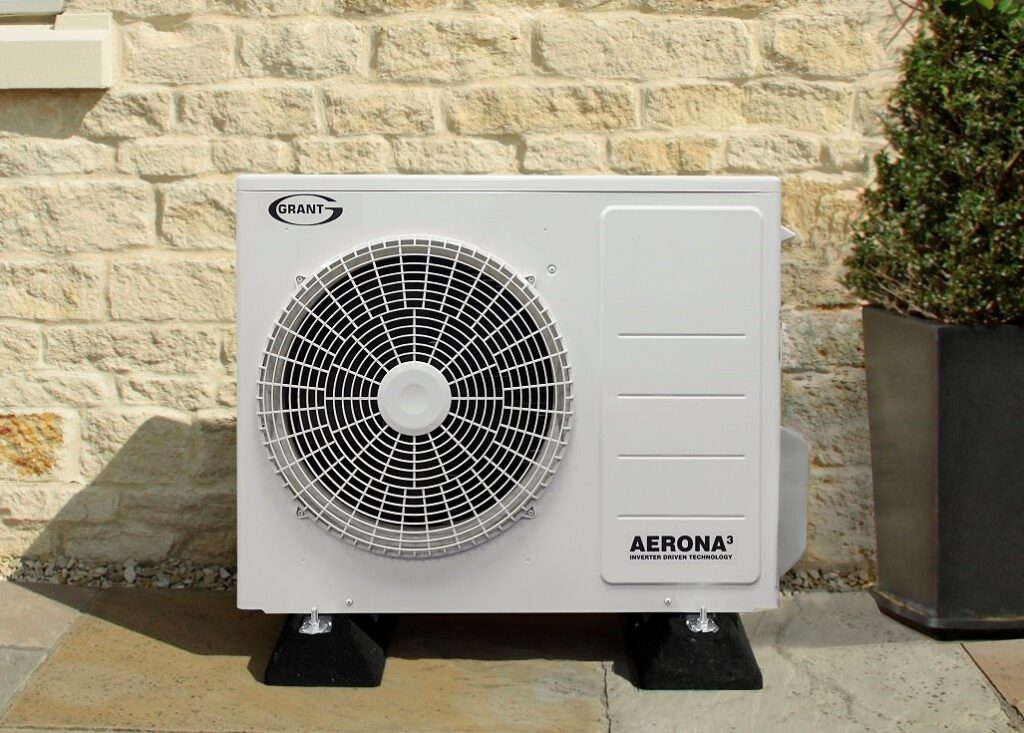
An air source heat pump (ASHP) extracts heat from the outside air, even in temperatures as low as -15°C, and transfers it into your building’s heating or hot water system. Rather than generating heat through combustion, it moves existing heat using a refrigerant cycle: the refrigerant absorbs warmth from the air, is compressed to raise its temperature, and then releases that heat into your building before the cycle repeats. For every unit of electricity consumed, an ASHP can produce three to four units of heat, making it significantly more efficient than a traditional boiler.
Unlike ground source heat pumps, which extract heat from underground pipework and require costly excavation, ASHPs are simpler and cheaper to install. Both are low-carbon alternatives to fossil fuel heating.
Why is Correct Sizing Important?
Incorrect sizing can lead to short cycles, increased wear, and reduced efficiency. Oversized units consume more energy than necessary, while undersized ones struggle to meet heating demands, especially on cold days.
Sizing Considerations
Several key factors influence heat pump size, including square footage, insulation quality, local climate, and usage patterns. These determine the heat pump capacity needed to meet your building’s heating and cooling demands.
Evaluating Building Requirements and Infrastructure
Start by evaluating your building’s heating requirements, including space heating, hot water outlets, and cooling needs. Larger systems may be required for industrial buildings or commercial spaces with high occupancy.
Your existing heating system also affects sizing. Whether you have underfloor heating systems, existing radiators, or central heating, compatibility is vital for optimal efficiency.

Insulation and Heat Loss
A well insulated building with minimal air leakage will need a smaller heat pump as heat will be retained. Poor insulation and drafty windows increase heat loss, requiring a larger unit to compensate.
Heat loss calculations are essential. These consider window types, insulation, square footage, and air leakage to estimate the heat needed to maintain indoor temperatures.
Hot Water and Cooling Needs
Commercial properties often have significant hot water demands. A hot water cylinder may be needed to store and distribute hot water efficiently, affecting overall heat pump capacity.
Some commercial properties require cooling as well as heating. A correctly sized heat pump system can provide both, improving efficiency and reducing the need for separate cooling systems.

Efficiency, Controls, and Cost Effectiveness
Heat pump efficiency is measured by the Coefficient of Performance (COP). A higher COP means more heat is generated per unit of energy consumed, reducing your energy bill and carbon footprint.
Smart controls and thermostats help maximise efficiency by adjusting heating based on occupancy and usage patterns. They complement a correctly sized heat pump system.
While larger systems may have higher upfront costs, they can be more efficient and reduce long-term operational costs. Installers, like Aspect-e can help measure your cost effectiveness based on your building’s needs.
Installation and Expert Guidance
Professional heat pump installers, like Aspect-e, ensure the correct sizing and integration with your building’s heating system. We also guarantee compliance and optimal performance.
Consulting with our heat pump experts helps you size systems accurately, as we consider all key factors and design a system tailored to your commercial space.
Sustainability and Long-Term ROI
Switching to a commercial heat pump can significantly reduce greenhouse gas emissions. Replacing fossil fuel-based systems helps lower your carbon footprint and supports sustainability goals.
When sizing a heat pump, consider the long-term return on investment. Efficient systems may cost more initially but offer substantial savings over time.
Final Thoughts
Sizing a commercial heat pump is complex but essential. By considering factors like insulation, heating demands, and existing infrastructure, you can ensure your system is efficient, reliable, and cost effective.
Ready to upgrade your heating system? Contact Aspect Group Services today for expert advice and professional heat pump installation tailored to your business premises. Let us help you reduce your energy costs and carbon footprint while ensuring optimal comfort and performance.