

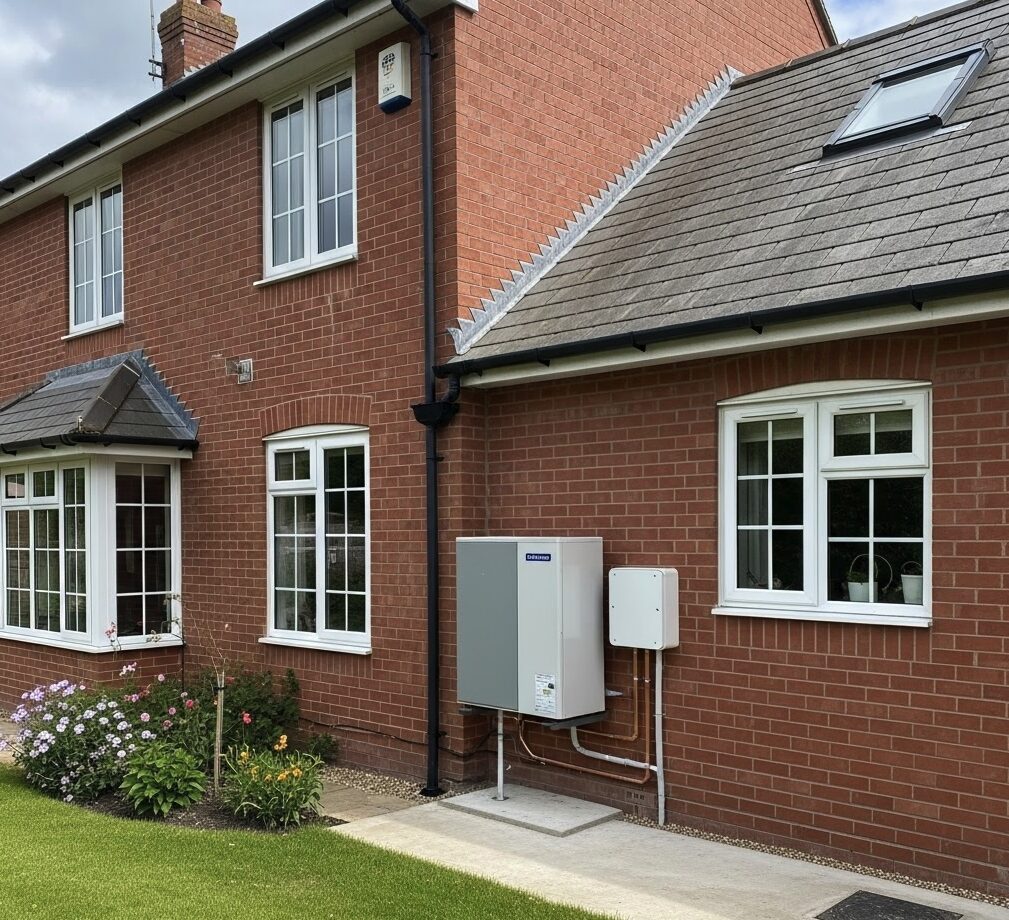
5 Common Misconceptions of Air Source Heat Pumps
As the UK transitions toward a low carbon future, air source heat pumps (ASHPs) are gaining attention as a sustainable heating solution. Yet, despite their growing popularity, many Norfolk homeowners and businesses still hold onto outdated or incorrect beliefs. In this blog, we’ll un-pack the most common heat pump myths, outline how heat pumps work, and explain why they can be a smart choice for your home heating or commercial property.
Misconception #1: “They Don’t Work in Cold Climates”
One of the most common misconceptions of air source heat pumps is that they fail when temperatures drop. This myth likely stems from early models that struggled in very cold temperatures.
Cold Climate Performance of Modern Heat Pumps
Today’s modern ASHPs are engineered to perform efficiently even in cold weather, with many models operating reliably at –15°C or lower. In fact, countries like Norway and Sweden, where winters are far harsher than the UK, have successfully adopted air source heat systems.
UK Evidence Supporting Cold Weather Operation
In the UK, real-world data confirms that heat pumps work even during frosty spells. Advanced refrigerants and inverter-driven compressors allow the heat pump system to continue absorbing heat from the outside air, even when it feels freezing (PV Magazine).
Misconception #2: “They’re Noisy”
Another concern is that heat pumps run loudly, disturbing neighbours or attracting objections from local authorities.
Noise Levels of Outdoor Units
In reality, heat pumps operate quietly. Most outdoor units produce sound levels between 40–60 decibels, similar to a refrigerator or quiet conversation. The indoor unit is even quieter.
Regulations and Installation Best Practices
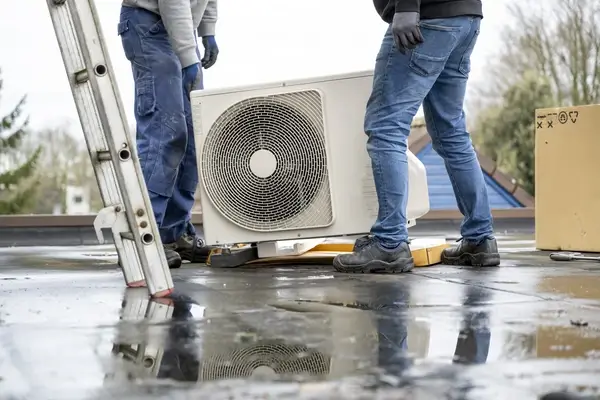
UK regulations limit noise to 42 dB at the nearest property boundary. A professional heat pump installer, like Aspecte will ensure your system meets these standards, using vibration-reducing mounts and strategic placement to minimise sound.

Misconception #3: “They’re Only for New Builds or Highly Insulated Homes”
It’s often assumed that air source heat pumps only work in new builds or homes with perfect insulation.
Retrofitting Air Source Heat Pumps
While insulation improves efficiency, heat pumps installed in older homes can still perform well. Upgrades like underfloor heating, larger radiators, or hot water cylinders can help adapt your existing system.
High Temperature Heat Pumps for Older Homes
High temperature heat pumps are designed to work with existing radiators, making them ideal for retrofits. They deliver hot water at similar flow temperatures to traditional gas boilers, without the need for extensive renovations.
Misconception #4: “They Reduce House Value”
Some homeowners worry that switching to a heat pump system might make their property less attractive to buyers.
Market Trends and Buyer Preferences
In fact, homes with energy efficient systems like air source heat pumps often sell for more. Buyers are increasingly interested in low carbon heating options that reduce energy bills and improve EPC ratings. A modern heating system can be a selling point, not a drawback.
Misconception #5: “They’re Too Expensive to Install or Run”
Cost is a major concern, especially when comparing heat pump installation costs to traditional heating systems.
Cost Breakdown and Financial Incentives
While the upfront cost of installing a heat pump can range from £7,000 to £13,500, the Boiler Upgrade Scheme (BUS) offers grants of up to £7,500, significantly reducing the burden. Over time, heat pumps offer savings through lower electricity consumed and reduced reliance on fossil fuels.
Running Costs vs Gas or Oil Boilers
Heat pumps run efficiently, often producing 3–4 units of heat for every unit of electricity. When paired with solar panels, they can further save energy and reduce your carbon footprint. Compared to gas boilers or oil boilers, they’re a cleaner, more cost-effective solution.

What does a Heat Pump Mean for Your Home or Business?
A heat pump means more than just warmth, it’s a step toward energy security, lower carbon emissions, and a future free from fossil fuel heating systems. Whether you choose ground source heat pumps, water source heat pumps, or air source, you’re investing in a smarter, greener future.
How do Heat Pumps Work?
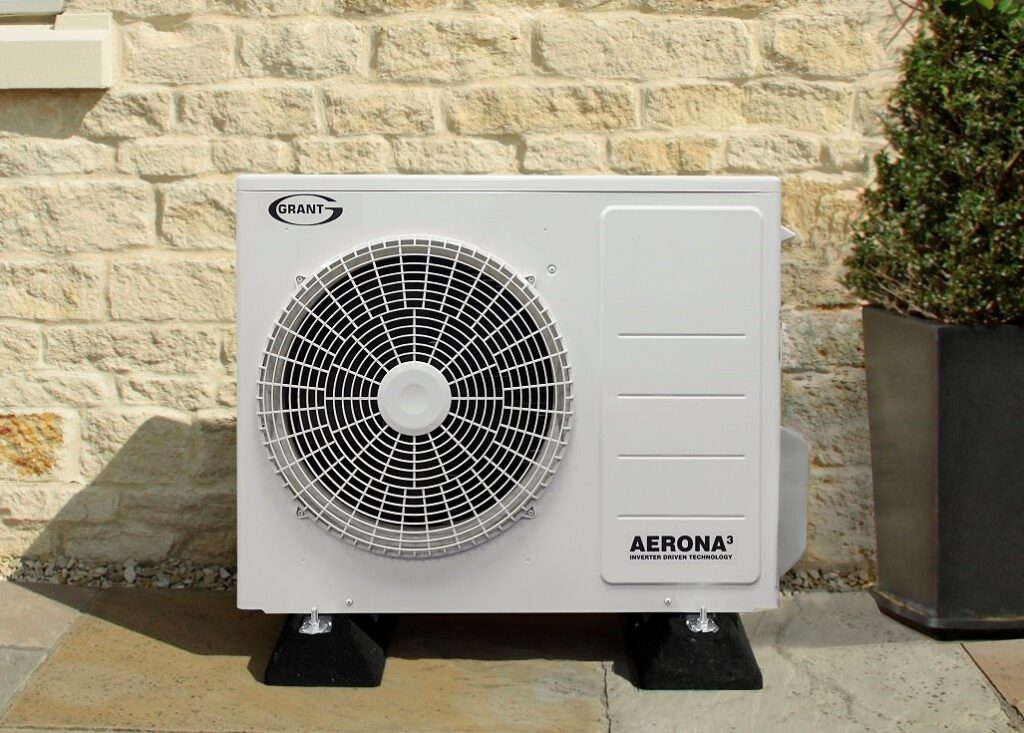
Heat pumps extract heat from the outside air, even in low temperatures, and transfer heat into your home. They can heat water, provide hot air, and work with existing radiators or underfloor heating. The system includes an outdoor unit and an indoor unit, working together to deliver consistent comfort.
The Role of Renewable Energy
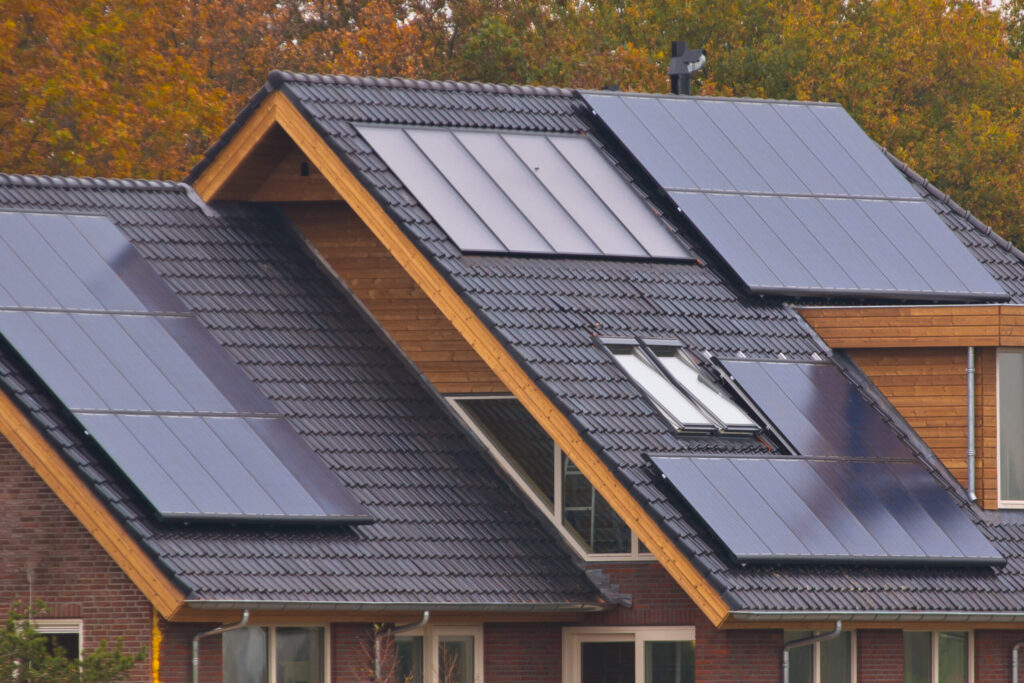
Source heat pumps are part of a broader shift toward renewable energy. As the heating industry moves away from fossil fuels, technologies like heat pumps and solar panels are leading the way.
Lower Flow Temperatures, Higher Efficiency
Heat pumps require lower flow temperatures than traditional gas boilers, which means they work best with well-designed systems. This doesn’t mean less heat, just more heat delivered more efficiently.
Backup Heating Systems
In some cases, a backup heating system may be used during extreme cold. However, with proper design, most heat pumps work independently, even in colder climates.
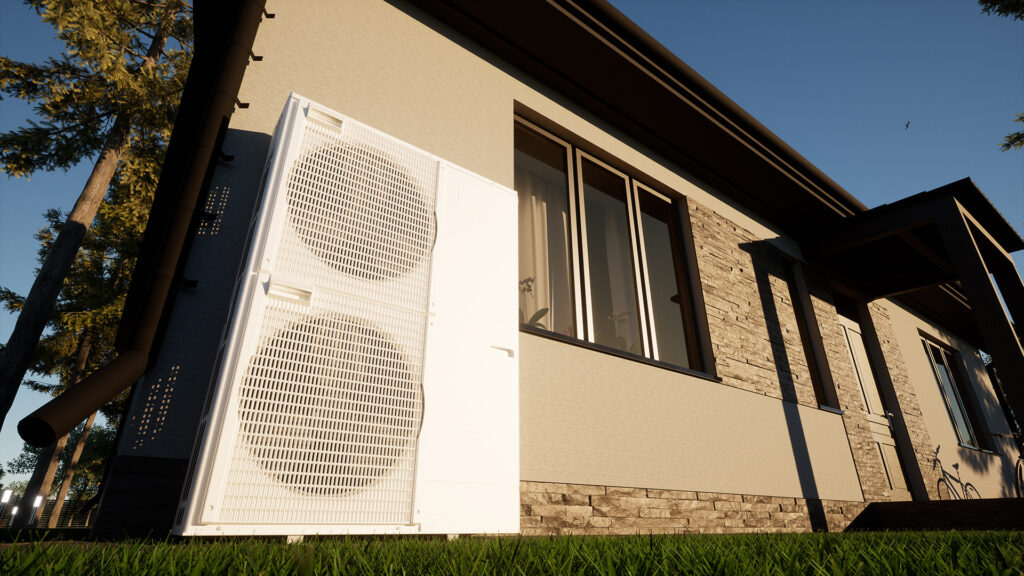
Choosing the Right Heat Pump Installer
At Aspecte, we will assess your property needs and recommend the right heat pump system. Whether you need a larger heat pump for a commercial space or a compact unit for a home, our professional guidance ensures your system will performing optimally.
Heat Pump Sales Are Rising
As awareness grows, heat pump sales are increasing across the Norfolk and the UK. More homeowners and businesses are choosing to install heat pumps and reduce their reliance on gas or oil boilers.
Don’t let common heat pump myths stop you from making a smart, sustainable choice. Whether you’re upgrading your home energy system or planning a commercial retrofit, air source heat pumps offer reliable, low carbon heating that saves money and protects the planet.
Ready to make the switch?
Contact our team today to speak with a trusted heat pump installer. We’ll guide you through every step, from consultation to heat pump installation, and help you find the perfect solution for your property.